
How will recent zoning changes in San Diego County unlock higher-density development opportunities on land in Fallbrook, Bonsall, and Valley Center?

Why this matters to you as a land investor
If you invest in vacant land, zoning is the difference between a passive hold and a scalable return. Recent updates to San Diego County’s Land Development Code—paired with state housing mandates—are quietly changing what’s possible on parcels across Fallbrook, Bonsall, and Valley Center. For investors who understand where density is being unlocked and how to underwrite it, these changes can materially improve exit options and valuations.
What changed—and why North County inland land benefits
San Diego County is under pressure to increase housing production. Rather than blanket upzoning everywhere, the County is removing friction—the rules that used to make modest density impractical on otherwise suitable land.
1) ADU & JADU expansion (the quiet value driver)
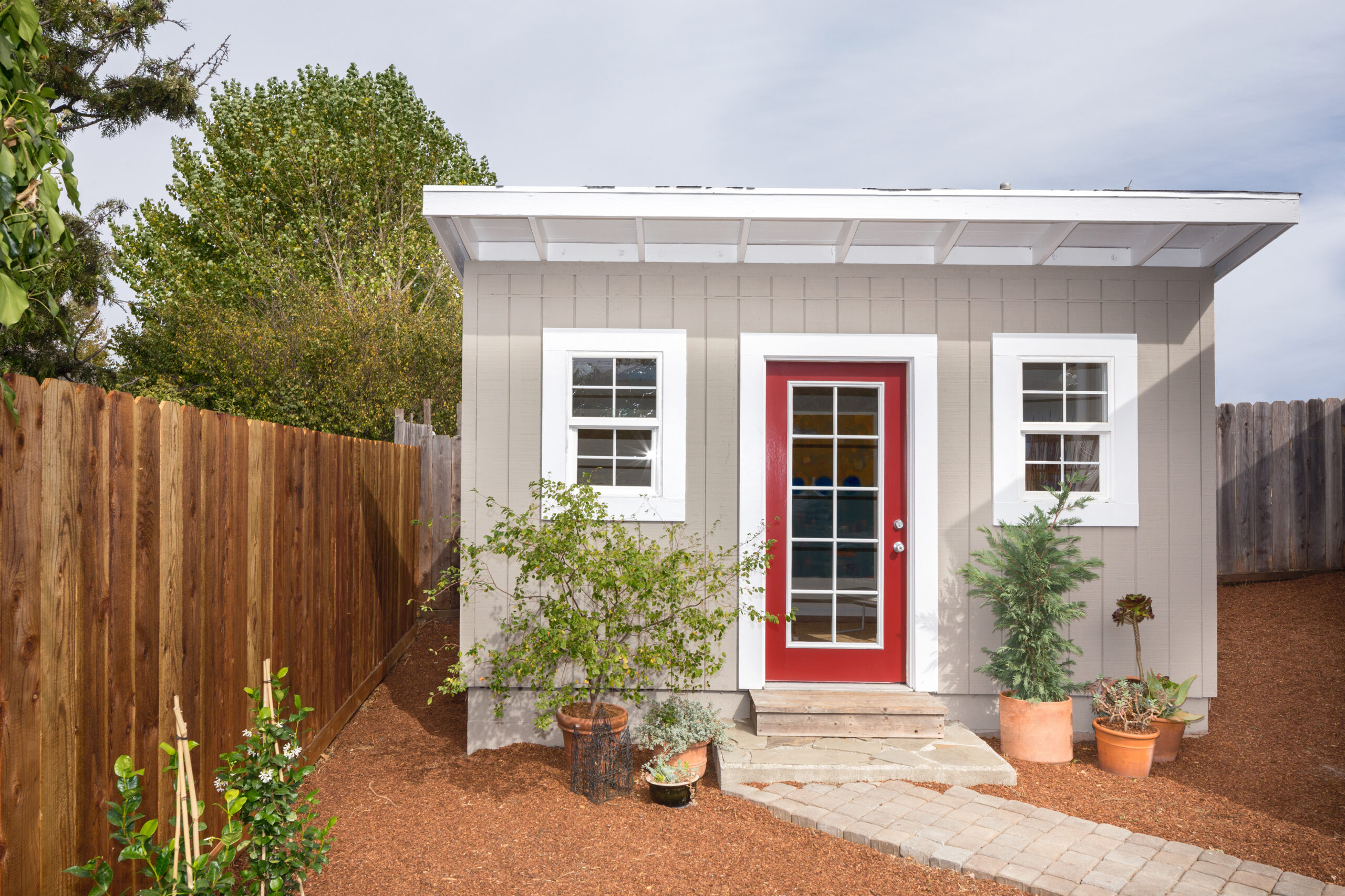
Across unincorporated areas, Accessory Dwelling Units (ADUs) and Junior ADUs (JADUs) are easier to permit:
-
Reduced discretionary review for qualifying projects
-
More flexibility on size and placement
-
Fewer parking requirements, especially near services or transit
Investor takeaway: Parcels once valued as “single-home only” may now support multiple rentable units, increasing residual land value for builders—or cash flow potential if you entitle and build.
Parking reform = more buildable area
Recent amendments relaxed replacement parking and minimums in targeted contexts. That matters because parking often caps density more than zoning itself.
Why it’s a big deal:
-
Less land consumed by stalls = more units
-
Lower construction costs = better pro formas
-
Small multifamily becomes feasible on oddly shaped or sloped parcels
Density isn’t just urban anymore
Higher density doesn’t mean mid-rises in rural zones. In Fallbrook, Bonsall, and Valley Center, it looks like:
-
Duplexes and triplexes where one home was allowed
-
Primary residence + 1–2 ADUs
-
Lot splits that pencil where utilities exist
This “missing middle” density aligns with state law and local character—making approvals faster and community opposition lower.
Where to focus your land search (investor lens)
Not every parcel benefits equally. Prioritize land with one or more of the following:
Utilities & access
-
Existing water meter or nearby main
-
Sewer adjacency (or feasible septic upgrades)
-
County-maintained road frontage
Zoning that stacks with state law
-
Residential zones that allow multiple units by-right
-
Parcels near village centers or services
-
Sites that avoid steep slopes or sensitive habitats
Entitlement leverage
-
Lots large enough for lot splits + ADUs
-
Parcels where parking reductions materially change yield
-
Properties that builders will overpay for once risk is removed
What this means for land values in 2026
Because the housing shortage persists, developable land scarcity is intensifying inland. As zoning friction drops:
-
Builder demand rises for “ready-to-go” parcels
-
Raw land with clear density upside trades at a premium
-
Investors who entitle first capture the spread
In practical terms, the biggest gains often come from:
-
Buying land before density is widely recognized
-
Spending modest capital on due diligence (surveys, utility confirms)
-
Selling to builders who value certainty over speculation
Risks to underwrite carefully
Density upside isn’t automatic. Watch for:
-
Fire hazard overlays that affect setbacks and build costs
-
Water moratoria or capacity constraints
-
HOA or recorded restrictions that limit development
-
Community plan nuances that slow approvals
Smart investors price these risks in—or avoid parcels where one constraint negates all zoning benefits.
FAQs land investors ask right now
Can rural land really support multiple units?
Yes—if zoning, utilities, and access align. In many cases, ADUs create density without triggering major discretionary review.
Do I need to build to realize the upside?
Not always. Entitling or clearly documenting development potential can significantly raise resale value to builders.
Is now too late to benefit from these changes?
No. Much of the market still prices land on outdated assumptions. Early movers benefit most.
Bottom line for investors
San Diego County’s zoning updates aren’t flashy—but they’re powerful. For land investors focused on North County inland, the opportunity lies in identifying parcels where small increases in allowed density create outsized increases in value.
If you want help:
-
Identifying parcels with real density upside
-
Interpreting zoning and ADU rules before you buy
-
Positioning land for the strongest investor or builder exit
Now is the time to act—before the market fully prices these changes in.
Categories
Recent Posts










REALTOR® | TEAM LEADER | DRE #01941662 License ID: 01941662
+1(760) 704-9252 | timkirkrealestate@gmail.com