
Buying Acreage in San Diego County: Can You Have Horses, a Barn, Workshop or Farm?
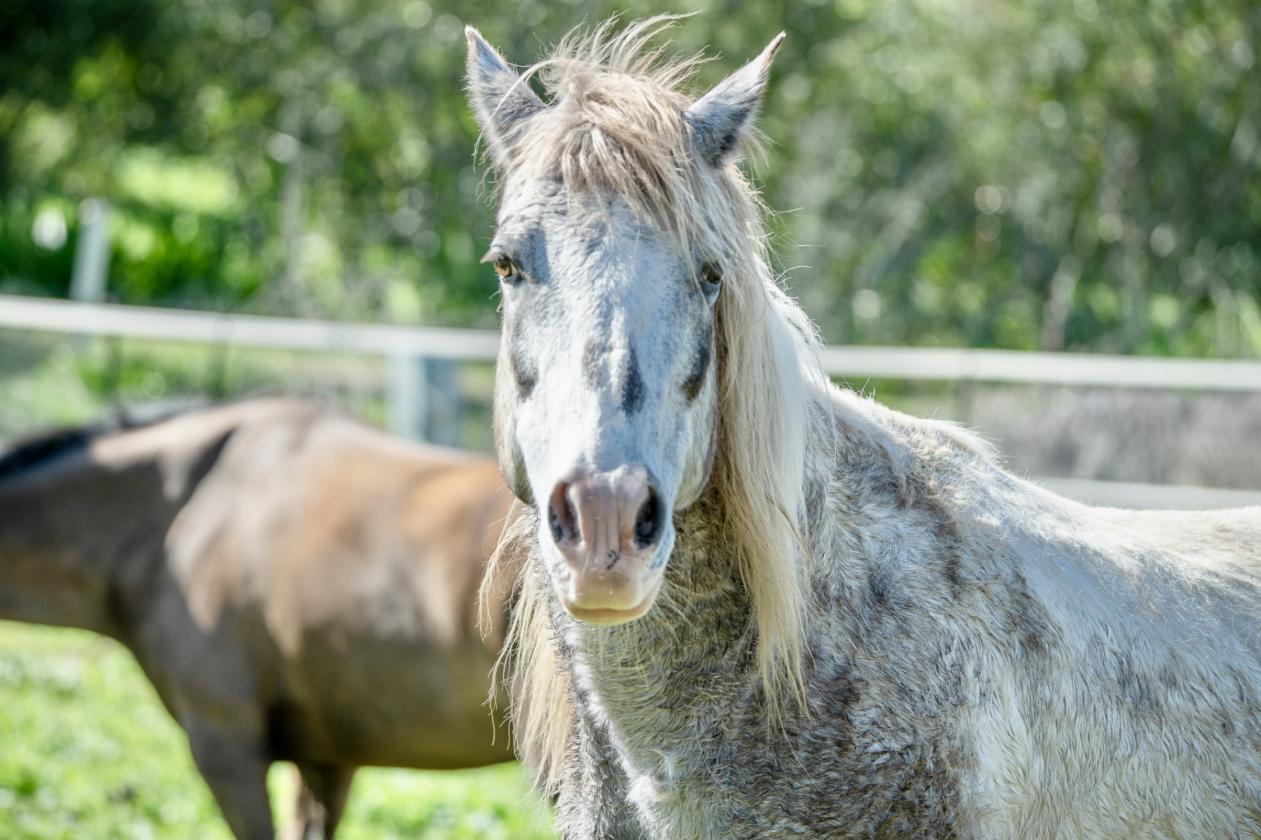
What should you know about horses, agriculture, barns, and other uses when buying acreage in San Diego County?
Buying acreage in San Diego County gives you more space, but acreage alone doesn’t determine what you can do with it. Zoning, animal designators, setbacks, permits, usable land, septic, water, and other property-specific rules can affect your plans.
A five-acre property with a barn, fencing, mature trees and open space can look perfect when you pull through the gate.
But if you're buying it because you want two horses, a workshop, a greenhouse, a grove or another structure, there's a more important question than how many acres come with the house:
Can you actually use the property the way you intend to?
That's one of the biggest differences between buying a conventional suburban home and buying acreage in San Diego County.
With a typical home, you may focus heavily on the house, neighborhood, comparable sales and perhaps an HOA. With acreage or a unique rural property, you also need to think about zoning, animal regulations, usable land, water, septic, access, easements and what can legally be built or operated on the property.
That can be particularly important when looking at Fallbrook homes with acreage, De Luz real estate, Bonsall, Valley Center, rural Escondido, Ramona and other parts of North County San Diego.
Does Owning Acreage Mean You Can Have Horses in San Diego County?
Not necessarily.
A listing described as a “horse property,” a parcel with an existing barn, or simply owning several acres should not be treated as confirmation that your particular plans for horses are permitted.
For properties in unincorporated San Diego County, the County Zoning Ordinance contains separate regulations addressing land uses and animals. The County specifically identifies animal regulations covering the kinds of animals allowed, how many are allowed and animal enclosure regulations.
The County's ordinance also distinguishes between horsekeeping and horse stable uses, and requirements can depend on the property's animal designator and the nature and scale of the proposed use.
That distinction matters.
Keeping your own horses is not necessarily the same land-use question as boarding horses for other people, offering riding lessons, breeding horses or operating a larger equestrian business.
Before buying a property based on an equestrian plan, verify the parcel's specific zoning and animal regulations with the appropriate professionals and the County rather than relying on acreage, fencing, an existing barn or marketing language.
You can start with the County of San Diego Zoning Ordinance resources, which include links to animal regulations and property-specific zoning tools.
What Does Zoning Tell You About a Rural Property?
Zoning is one of the first pieces of the puzzle, but it isn't the only one.
The County's zoning system regulates how land can be used in unincorporated areas. Its ordinance covers use regulations, animal regulations, lot and building standards, setbacks, accessory uses and other requirements.
You may encounter agricultural zoning classifications such as A70 (Limited Agriculture) or A72 (General Agriculture) when researching rural property. County GIS data identifies both as agricultural use regulations.
But don't stop when you see the word “agriculture.”
Your objective should be to answer a much more specific question:
Does this particular parcel support the particular use you have in mind?
The County provides a Property Summary Report and other self-service property research tools that can help you identify zoning and other general property information for unincorporated parcels.
From there, your intended use may require further verification.
Can You Build a Barn or Workshop on Acreage in San Diego County?
Potentially—but once again, owning enough land doesn't automatically mean you can put a structure wherever you want.
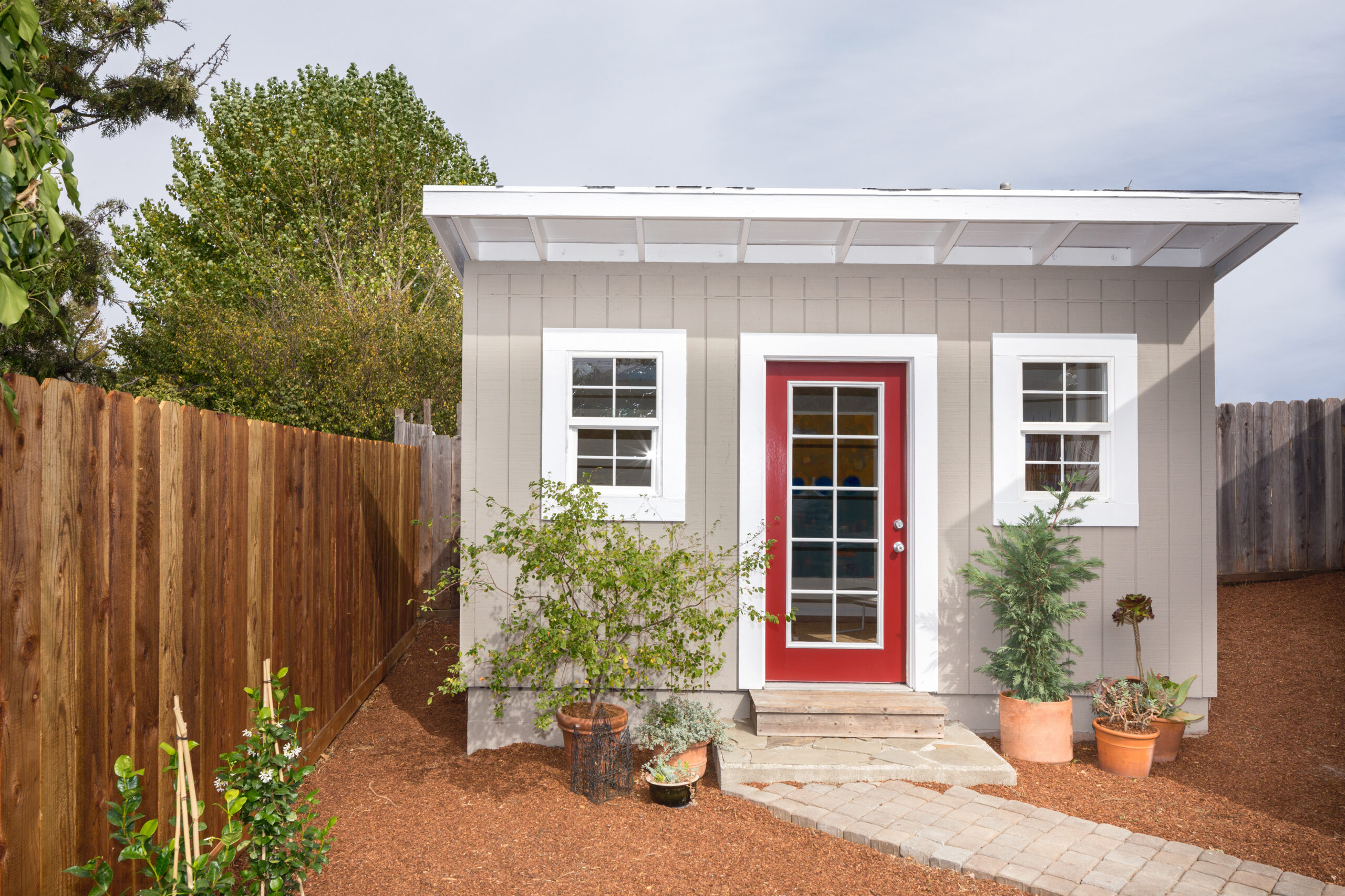
County regulations specifically address accessory structures such as garages, storage buildings, workshops, hobby shops, barns and agricultural buildings. Depending on the property and proposed structure, considerations can include:
-
Parcel zoning
-
Lot size
-
Building size and height
-
Setbacks
-
Location on the parcel
-
Intended use of the structure
-
Existing improvements
-
Grading and site conditions
-
Fire and emergency access
-
Other permits or approvals
The County also has specific rules addressing the allowable area and placement of accessory structures, and larger or otherwise nonconforming proposals can involve additional permitting requirements.
So when you tour homes with acreage in San Diego County, don't just ask, “Where could I put my workshop?”
Ask:
“Has the ability to build the workshop I want in that location actually been verified?”
Those are very different questions.
Can You Farm or Grow a Grove on Your Property?
Agriculture is one of the reasons buyers are attracted to North County San Diego acreage.
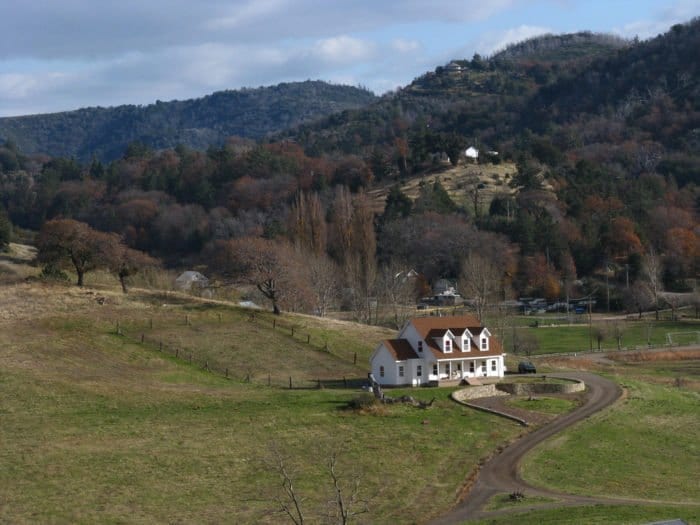
Fallbrook and surrounding areas can offer properties with existing groves, gardens and agricultural improvements. De Luz, in particular, can have a distinctly rural feel, with winding roads, hillsides, larger properties, groves, privacy and scenic surroundings.
But even if you're looking at agricultural land, there are practical questions beyond whether growing something is theoretically allowed.
You may need to evaluate:
-
Water source and availability
-
Irrigation infrastructure
-
Topography
-
Soil and drainage
-
Existing agricultural improvements
-
Easements
-
Environmental or site constraints
-
Access for equipment
-
Applicable permits or land-use rules
-
Existing conservation restrictions
Some agricultural properties can also be affected by recorded restrictions or conservation easements. For example, San Diego County operates a Purchase of Agricultural Conservation Easement program under which participating properties receive perpetual easements limiting future uses to agriculture.
That doesn't mean a property you're considering has such an easement. It illustrates why title, zoning and property-specific research matter when your purchase depends on future land use.
How Much of an Acreage Property Is Actually Usable?
This is one of the most important concepts for buyers moving from suburban neighborhoods to rural property in North County San Diego:
Eight acres on paper does not necessarily mean eight acres you can use the way you imagine.
Acreage can include steep slopes, drainage areas, heavy vegetation, inaccessible sections and land affected by setbacks or easements.
A property boundary may also extend well beyond—or differ from—the area that visually appears to belong to the home.
Don't automatically assume that a fence is the legal property line.
Depending on your plans and the property, surveyors, title professionals, civil engineers, land-use professionals or other specialists may be appropriate resources.
The distinction becomes especially important if your goal is horses, a riding area, additional structures, agricultural production or another use requiring substantial usable space.
What About Water, Wells and Septic?
Land use and infrastructure frequently intersect on acreage.
If you're planning a barn, additional dwelling, significant landscaping, animals or agriculture, understanding the property's water source becomes especially important.
A rural property might receive water from a water district, a private well, a shared system or another configuration. Never assume that every property in Fallbrook, De Luz, Bonsall, Valley Center or Ramona receives water the same way.
For a well property, your due diligence may include reviewing available documentation and evaluating production, water quality, storage, pumps, treatment equipment and maintenance with the appropriate specialists.
Septic can matter just as much.
A property's septic system, leach field, reserve area and capacity can influence future plans. If adding another dwelling is part of your reason for buying the property, evaluate that issue before purchasing based on the assumption that expansion will be straightforward.
Can You Build an ADU on Acreage in San Diego County?
Potentially, but acreage alone doesn't answer the question.
For unincorporated San Diego County, the County provides specific ADU guidance and currently states that a detached ADU can be up to 1,200 square feet, subject to applicable requirements.
San Diego County also adopted an AB 1033 program in March 2026 allowing qualifying ADUs in unincorporated communities to be sold separately through a condominium conversion process. That program took effect April 4, 2026 and has its own eligibility and application requirements.
That is useful context, but it should not be interpreted to mean that every acreage parcel can automatically accommodate the ADU you envision.
Your specific project may involve questions about the existing home, setbacks, septic, water, access, fire requirements, grading and other site conditions.
Use the County's current ADU information and guidance as a starting point, then verify your actual plan for the specific parcel before purchasing based on future ADU potential.
Why De Luz and Other Rural Areas Require Property-Specific Due Diligence
If you're looking for privacy and land near Fallbrook, De Luz real estate can be particularly appealing.
The area's hills, winding roads and larger properties can create a very different experience from a conventional subdivision.
That is also why due diligence matters.
On an acreage property, you may need to understand questions such as:
Where does the water come from?
Where is the septic system and leach field?
Who maintains the road?
Are there recorded easements?
Where are the actual property boundaries?
How much of the land is realistically usable for your plans?
Is the barn or workshop permitted?
Can you legally keep the number and type of animals you want?
Has your proposed future use been verified?
The answers can vary from one property to the next—even when two homes are located in the same community.
Don't Forget Private Roads, Easements and Access
The barn and acreage may capture your attention, but the driveway can deserve just as much due diligence.
Some rural homes are accessed by private roads, shared driveways or recorded easements. You may need to understand who has legal access, who maintains the road, whether a maintenance agreement exists and what responsibilities transfer with the property.
Access can also affect your broader plans.
If you're considering horses, farm equipment, a large workshop or construction of an additional structure, physical and legal access may become especially relevant.
Title documents and qualified professionals should be used to verify rights and obligations rather than assuming that longstanding use of a road guarantees everything you need.
What Inspections Should You Consider When Buying Acreage?
A conventional home inspection remains important, but buying acreage in San Diego County can introduce additional systems and improvements.
Depending on the individual property, your due-diligence team might include specialists who evaluate:
-
Septic systems
-
Wells and water quality
-
Solar equipment
-
Propane systems
-
Roofs
-
Barns and outbuildings
-
Drainage and grading
-
Trees and vegetation
-
Pest conditions
-
Property boundaries or surveys
-
Specialized electrical or mechanical systems
Not every property needs every inspection.
The goal is to identify what's actually present at the property and determine which specialists are appropriate.
Why Your Plans Should Shape the Property Search
When you're searching for acreage for sale in San Diego, telling your real estate agent that you want “five acres” isn't nearly as useful as explaining what you want those five acres for.
Do you want two horses?
A grove?
A detached workshop?
Space for RVs or equipment?
An ADU for a family member?
A greenhouse?
Room for children to explore?
Privacy and views without any agricultural plans at all?
Those answers can change what makes a property a good fit.
This is where working with an agent familiar with acreage and unique properties becomes valuable.
The agent doesn't replace a land-use professional, inspector, County official, surveyor, insurance professional, lender or other specialist. Instead, an experienced acreage agent should know which questions need to be asked and when additional expertise is needed.
For Tim Kirk and EPIC Realty Group, that means looking beyond the bedroom count and kitchen finishes.
It means asking questions like:
Where does the water come from? Who maintains the road? Is the solar owned or leased? Where is the septic system? What land is actually usable? Are there easements? And most importantly, what do you want to do with the property—and has that use been verified?
Is Buying Acreage in San Diego County Worth It?
It can be an excellent fit if the lifestyle matches what you want and you understand the responsibilities that come with the property.
Acreage can give you privacy, views, room for animals, gardens, groves, workshops, recreation and simply more separation between you and your neighbors.
But acreage isn't automatically “better” than suburban living.
It's a different lifestyle.
More land can also mean more maintenance, more infrastructure to understand and more property-specific questions to answer.
The goal isn't simply to find the largest lot.
It's to find a property where the home, land, location and permitted uses align with the way you actually want to live.
FAQs About Buying Acreage in San Diego County
Can I keep horses on my property in San Diego County?
Possibly. Horsekeeping rules for properties in unincorporated San Diego County can depend on the property's animal designator, usable area and proposed activity. Commercial horse-related uses can raise different permitting questions from keeping your own animals. Verify the specific parcel and intended use before purchasing.
Does agricultural zoning mean I can do anything agricultural on my land?
No. A70 and A72 are agricultural use regulations, but the property's complete zoning, animal designator, development regulations, accessory-use rules and other restrictions still matter. Start with the County's zoning and Property Summary resources, then verify the specific use you intend.
Can I build a barn, workshop or ADU because I have several acres?
Not automatically. Lot size is only one factor. Structure size, setbacks, zoning, intended use, septic, water, access, grading and other requirements can affect what is feasible. Verify your proposed project before buying a property based on future development plans.
Looking for a Home With Acreage in North County San Diego?
Thinking about buying a home with acreage in Fallbrook, De Luz, Bonsall, Valley Center or elsewhere in North County San Diego?
Tim Kirk and EPIC Realty Group can help you evaluate not just the home, but the property, lifestyle and questions that come with owning more land.
Whether you're searching for horses, a grove, a workshop, room for an ADU, recreational space or simply more privacy, the conversation should begin with how you want to use the property.
From there, we can help you identify the questions that need answers and the appropriate professionals or agencies to verify them before you make a decision.
Tim Kirk | REALTOR® | Team Leader
DRE #01941662
EPIC Realty Group powered by LPT Realty
Fallbrook, California
Categories
Recent Posts







REALTOR® | TEAM LEADER | DRE #01941662 License ID: 01941662
+1(760) 704-9252 | timkirkrealestate@gmail.com